New to AI? Prioritise processes and tasks: India Today Group HR Chief

“This transformation is happening whether or not you are fostering collaboration in your organisations, whether you are formalising it or not,” Purva Misra, Chief Human Resource of the India Today Group recently told participants at our Digital Media India conference in New Delhi. Simply put, “No force on earth can stop an idea whose time has come,” she said quoting Victor Hugo. And the time for news publishers to get moving is really right now. Through its four 24/7 national television channels, 18 digital platforms, and nine magazines, India Today Group reaches a monthly audience of 500 million, and are actively looking at where AI can help them. However, Misra also cautioned publishers to take care of how they start using AI and be realistic about their expectations. “AI is not a solution for everything. You’re going to have to be a little careful. I would say be careful and navigate the hype,” Misra said.
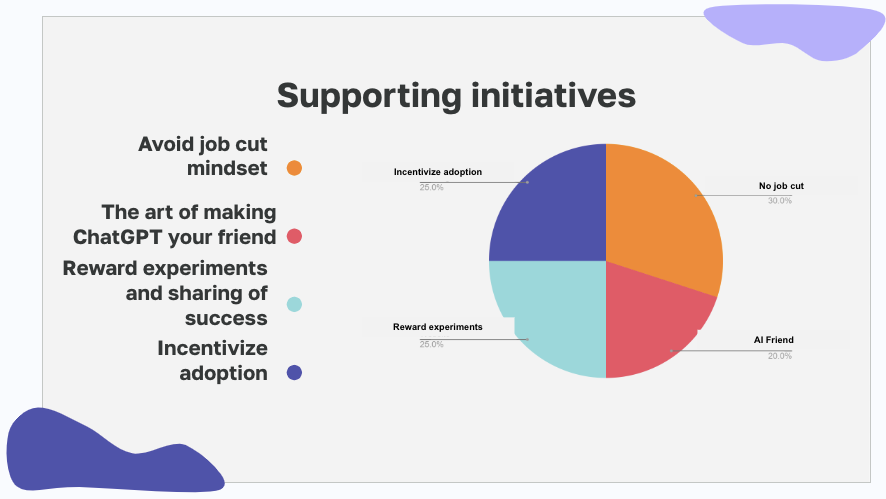
Train your high performers first Her advice is to begin training your high performers "because high performers ask the right questions." When working with Generative AI, "it’s all about asking the right questions," she noted. "Any generative AI cannot do things on its own, so imagine it’s like your friend who doesn’t know the company. You’re taking it around. You’re orienting it," she said. "When you are prompting queries, if you want the best results, you are painting a picture that is very descriptive. ... You do not need anything else, other than good language," she emphasised.
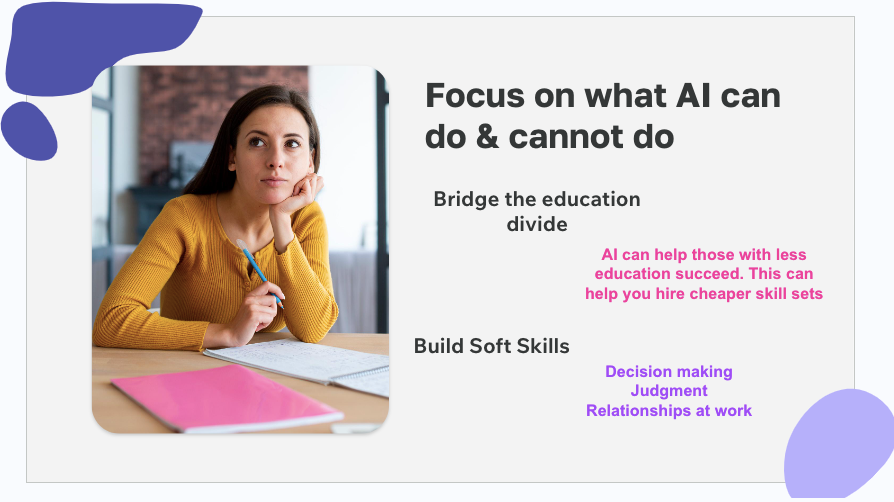
Use your own information to train tools Publishers should also focus their efforts on the kinds of things that AI is capable of handling well. "My learnings, and also the learnings from another very large, professional services firm, is to look at processes and tasks first. Don’t look at strategy, or any kind of very creative output where you need human intervention," Misra said. Likewise, they are using their own existing archives to train their AI tools rather than relying on publicly available information. "We have knowledge, data, pictures, videos and texts from over 50 years. And we started to mine that very carefully," she said. "Now, when our AI tools crawl on that, we are able to get some very good information. We don’t want to use public information because that often gives us poor news. Or it gives us information that is not correct, and our journalists have to go through that very carefully."

Comments